
AgentCore Runtime: How to Evaluate AI Agent Isolation, Latency and Cost
By Erin Harris, AI Strategy & Business Transformation Consultant
When evaluating a runtime for long-running AI agents, compare the full cost and risk of completed tasks, not only the model's token price. Measure session startup, idle periods, storage, permissions, retries, and human review.
On November 12 AWS described a next-generation Amazon Bedrock AgentCore runtime with hardware-isolated sessions, startup under two seconds, configurations up to eight vCPUs and 32 GB, and mechanisms for reclaiming unused memory. AWS reports up to 15x faster starts and up to 68 percent more efficient memory consumption under described conditions. Source: https://aws.amazon.com/blogs/machine-learning/run-agents-securely-and-efficiently-with-the-next-generation-agentcore-runtime/
What actually changes in the cost equation
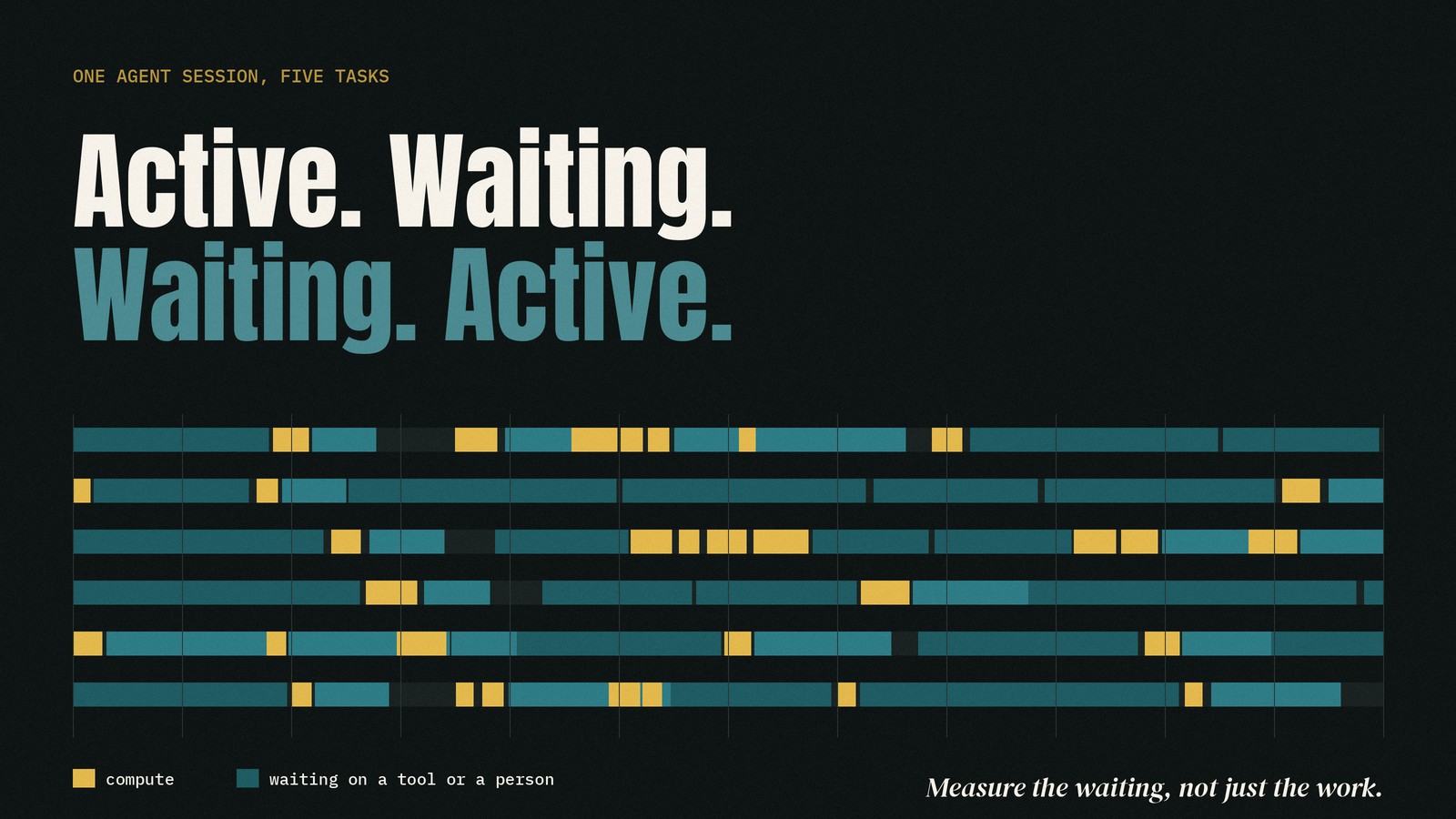
A long-running agent may execute for a few minutes, wait for a tool, pause for approval, and resume. Infrastructure that remains allocated during idle periods can increase costs even when the model is not producing output. On-demand startup reduces idle allocation but can create delay. AWS's update targets that tradeoff.
Yet no vendor performance figure should be inserted directly into a business case. Workload shape, region, memory requirements, data transfer, and integration costs matter. Confirm pricing and supported regions in AWS documentation before a procurement decision.
A five-part pilot
- Define the job. Choose one repeatable task such as generating a weekly operations report from approved internal data. Specify what constitutes successful completion and who reviews it.
- Trace the timeline. Record active computation, external tool waiting, human approval waiting, startup, and total elapsed time. Calculate task completion rate and rework.
- Define authority. List the files the agent may read, the tools it may call, and the actions it may execute. A hardware-isolated session is not permission to access every company record.
- Test interruptions. Disconnect a tool, revoke a permission, and interrupt a session. Confirm that the system fails safely, preserves appropriate audit records, and does not silently continue with stale data.
- Compare alternatives. Run the same task under a constrained baseline and the proposed runtime. Calculate cost per verified completed task, including reviewer time and retries. Use repeated observations rather than one demonstration.
Worked hypothetical
Suppose an agent drafts a client onboarding package. It computes for six minutes, waits 25 minutes for approval, and spends four minutes revising. A vendor's faster startup could help the beginning, but the dominant delay is approval. The best investment might be a clearer review queue, not a larger execution environment. This is an illustrative example, not an AWS benchmark.
Questions for procurement
Does the runtime isolate sessions? How are identities and file permissions enforced? What happens to temporary files when a session ends? What is billed during idle time? Can the business export traces and investigate a disputed action? How do region and compliance requirements affect deployment?
For small businesses, these questions help avoid purchasing infrastructure sophistication before establishing a real operational need. For enterprise teams, they support a more defensible security and finance review.
EH Synergy's AI Opportunity & Transformation Assessment examines where an AI worker fits into existing workflows and what safeguards and economics would justify deployment. Inquire through the established EH Synergy business contact channel.
Key Takeaways
- Evaluate cost per verified completed task.
- Separate execution isolation from business authorization.
- Benchmark real waiting and retry patterns.
- Verify current pricing, regions, and data handling before rollout.